
IN Conversation WITH
Sara Victoria
A Quiet Look at Rhythm
As the year unfolds, I've found myself returning to conversations centred around pace, rhythm and the quieter forms of restoration that often arrive when we finally allow space for them.
Sara Victoria's work moves between wellness, design, architecture and astrology, yet a common thread runs through it all: an attentiveness to rhythm. Rhythm in the body, in materials, in space, and in the natural cycles that shape our lives.
Our conversation wandered through creativity, intuition, wellbeing and place, exploring the subtle ways environment influences how we feel and the importance of paying attention to what is often overlooked.
Some conversations stay with you long after they end. This was one of them.
“The best work comes through effortlessly......Let it flow."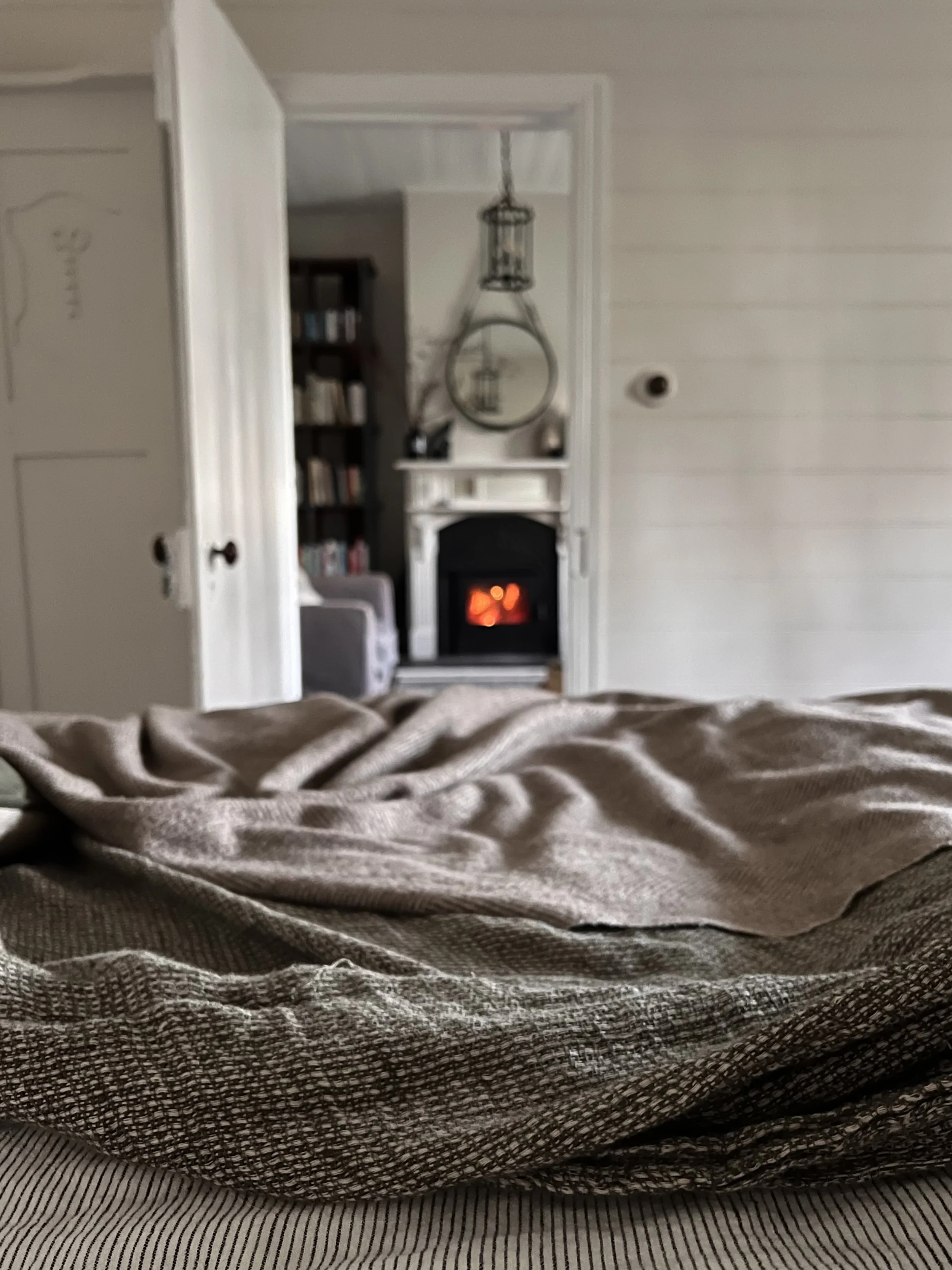
Sara Victoria
Sara approaches each of her practices with a deep attentiveness to the body, of place, of materials and of time itself. Astrology, for her, is not about spectacle or certainty, but another lens through which to observe patterns and cycles.
At Dunmore, 2026 is being guided by a simple intention: rest, reset and reconnect. Not as trends or resolutions, but as quieter considerations for how we live, work and restore ourselves.
As the pace of the year continues to unfold, we invited Sara to share her perspective on rhythm, restoration and what it means to move through life with greater awareness and less force.
On Work and Practice
To begin, how would you describe your work as it exists today?
"My contributions have always involved at least two interests. Bodywork was always one of them, although after 30 years my body warned me it was time to move on.
Today my days vary considerably. They might involve sharing astrological insights with clients, researching, writing, or contemplating design projects and architectural ideas. Recently, I've been exploring architectural walks focused on residential, sustainable and civic architecture, while also working on a humble design project on a small plot of land.
I value spaciousness in my day. It is often where clarity finds me."
Your work moves between bodywork, design and architecture. What holds these practices together for you?
“Wellness has always been the thread running through my work. I’m drawn to what is organic and natural, stripping things back to their original form.
Vernacular architecture is an example of this thinking. I’m interested in the way materials, language and place evolve naturally rather than being imposed.”
You began your career working closely with the body before moving into design and architecture. What prompted that shift in scale — from body to space?
“The shift from body to space was shaped by a series of profound experiences. Looking back, they were often connected to aesthetics, sacred geometry, intention, and the feeling certain places evoke although I didn't necessarily have the language for it at the time.
They came through places I visited, stayed in and lived within. Sometimes it was something extraordinary, the way light moved through a space, for example. Other times it was something seemingly simple, a thoughtful detail or a uniquely functional design solution.
I became increasingly interested in those qualities that make life feel more beautiful, considered and easeful. The subtle elements that shape our experience of a place and quietly improve the way we live within it.”
Body, Space and Sensory Experience
Sara Victoria
How did working closely with the body influence how you think about space and environment?
“During my architecture studies, I developed a strong interest in phenomenology, an approach centred on embodied experience and the way we perceive and interact with the world through our senses. It considers the genius loci, or spirit of place, focusing on how environments are experienced rather than simply how they function.
Architects such as Peter Zumthor practise in this way, creating spaces that engage the senses through light, texture, materiality and atmosphere.
Working closely with the body made me increasingly aware of how profoundly our surroundings influence how we feel. The materials we touch, the quality of light in a room, the sounds we hear and the textures that surround us all contribute to our experience of a place.
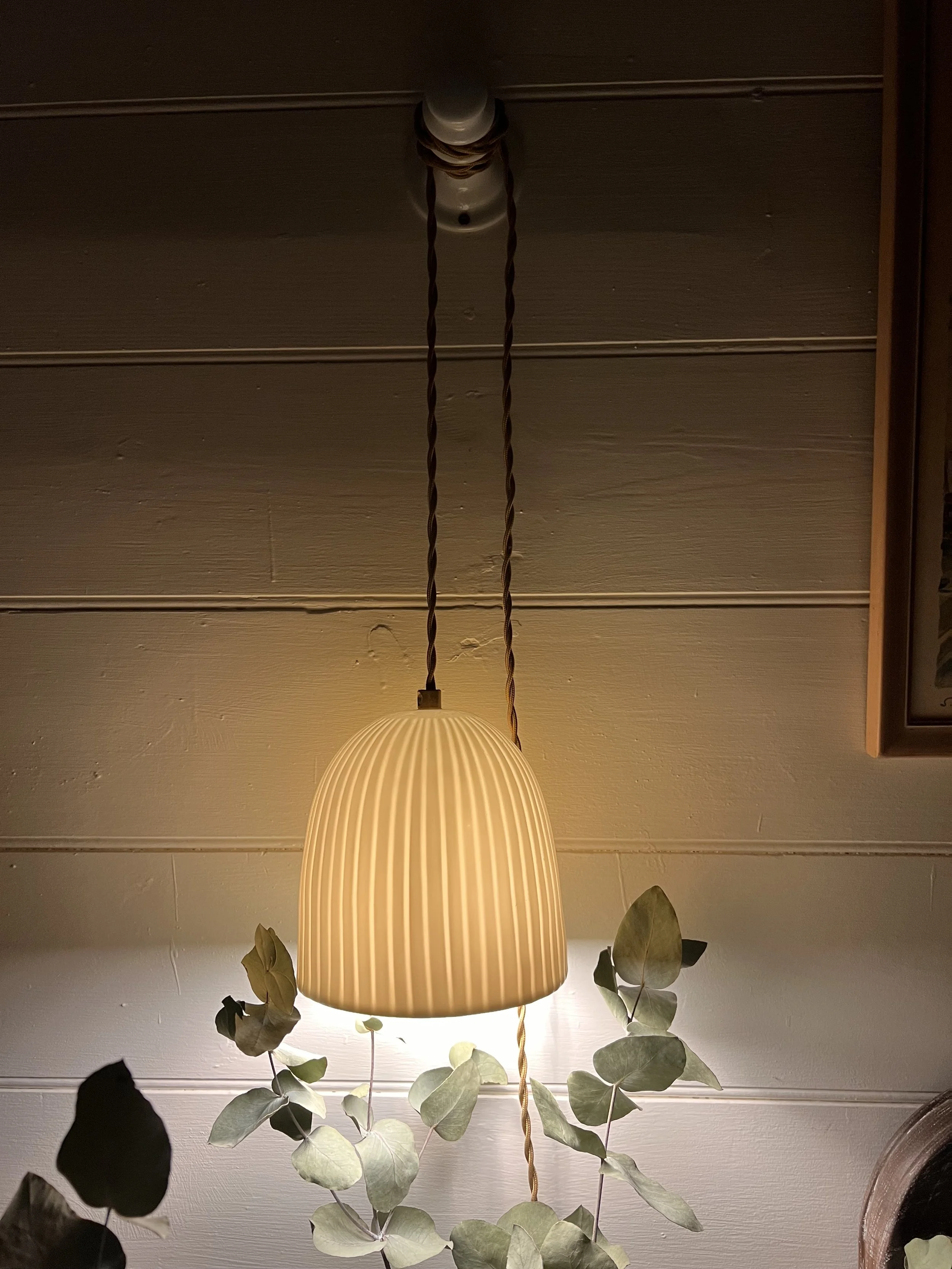
I often think about something as simple as linen. I still remember the first time I slept in linen sheets in a beautiful villa in Tuscany. The experience stayed with me long after I left. I even photographed the label so I wouldn't forget it. It was Society Limonta. That moment reinforced for me how materiality can shape memory, comfort and our connection to a place.”
Astrology as a Lens
Astrology is not something you foreground, yet it appears quietly in your work. How do you relate to it?
“I hope to bring astrology more visibly into my work in the years ahead. Integrating my various interests feels like a natural evolution of what I have to offer.
I’m not someone who likes to impose my interests on others. Often I’ll ask someone what their star sign is, or occasionally make a guess. It still surprises me who is curious about astrology and who isn’t. When someone is interested, it opens the door to a deeper conversation.
There is a common perception that astrology lacks a scientific foundation. What I find interesting is that while we place enormous trust in science, we are also living within a constantly changing universe. For me, astrology offers another lens through which to understand timing, cycles and influences at play in our lives.
Over many years of study, I’ve developed a deep connection to the language of astrology. I often sense a shift before I consciously recognise it, and later see that reflected in a chart. Rather than predicting outcomes, astrology helps me understand patterns, timing and the relationship between what is happening internally and externally.
It has become a way of paying attention.”
In your experience, what do people most often misunderstand about astrology?
“Many people associate the horoscope reading that your get on a post or in a magazine that is collectively generalised. This is nothing like the personalised birth chart of the individual.
Astrology provides a reminder of who we are individually and by exploring the chart more deeply we can gather insights of potential growth, opportunities, health, setbacks and many other life changing or affirming times in our lives.
Astrology is an ancient practice. Many leaders consulted astrology for critical timings, it has been recorded as far back as 2nd millennium BC(E) Mesopotamia.”
Rhythm and Restoration
At Dunmore, we’ve been thinking a lot about pace and restoration that happens naturally when space is held. How does that resonate with your work?
“I really feel that the best work comes through exactly that, effortlessly. That is the ultimate, when you don’t need to over apply. Let it flow.
It is through those flowing rhythms working through us that clarity emerges.”
Through your bodywork practice, what signs tell you someone is living out of rhythm?
“The breath. The way the body breathes reveals everything.
Often tension patterns appear in places connected to imbalance in someone’s life. It always comes back to the breath.”
Why do you think slowing the pace can feel unfamiliar for many people?
“When we slow down it creates space for feelings to potentially surface. When we slow and connect more with our breath and we allow our bodies to integrate. When I say bodies, I believe we have a mental body, physical, emotional and spiritual body.
Like layers, we can be out of balance via the spiritual that connects to everyone else. We can be emotionally out of balance from something like grief and there can also be a physical imbalance that might present as an accident. The mental body can influence all these lays. They all affect each other.
In astrology, especially medical astrology, insights can be presented via the placement of planets within the birth chart and the transits moving over them to prevent and integrate further.
When the mental understands the bigger picture, the mind becomes a support to the other lays.”
“The breath. The way the body breathes, reveals everything.”Rest, Reset and Reconnect
Sara Victoria
From your perspective, what does restoration look like when it is not about fixing or improving anything?
“The combination of slowing down and connection to nature. Rest, healthy organic whole foods, supportive friends and family. Along with meaningful work or a creative pursuit.
I also believe the pen is a very powerful tool. As well as shaking the shackles of control, to find your own voice and pace”
When people feel depleted or disconnected, where does a genuine sense of return begin?
“Always nature. Reflection. Perhaps a physical or psychological therapeutic treatment.
Astrology can also provide understanding of what is happening in the bigger picture. For example, Saturn, Pluto and Mars in a tense aspect could bring inner compression, depression or restriction.”
Many people are travelling now not for stimulation, but for relief. What do you think certain places can offer that daily life often can’t?
“Certain places associated with nature experiences. Especially for those from the cities.
Anything that reconnects the body to the elements - earth, water, fire, air and ether or spirit can create a transformative experience.”
If someone is experiencing the year feeling tired rather than inspired, what would you gently remind them of?
“When we are weary or tired, there is an underlying process in action. Sometimes, just honouring the way we feel gives the body permission to process what needs attention.
I always encourage some nature time, or a long laze in or a nurturing retreat away. This could be the reset you need. Dunmore Farm was exactly this for me. After two nights of a quite retreat, I was pleasantly refreshed.
Astrologically, I would investigate their transits on their birth chart to see what is happening. This would provide a deeper insight into the themes and areas of their life being affected. For instance, if there is a lot of mercury influences, I would encourage writing or talking things out. A journal is such a great way to make sense of things.”
Closing Reflection
For you personally, what does living in rhythm mean now?
“This hasn’t ever changed, from my early understandings of health and wellness. I have always aimed to integrate downtime with a balance of service and work.”
If the year ahead was offering one quiet invitation, what might it be?
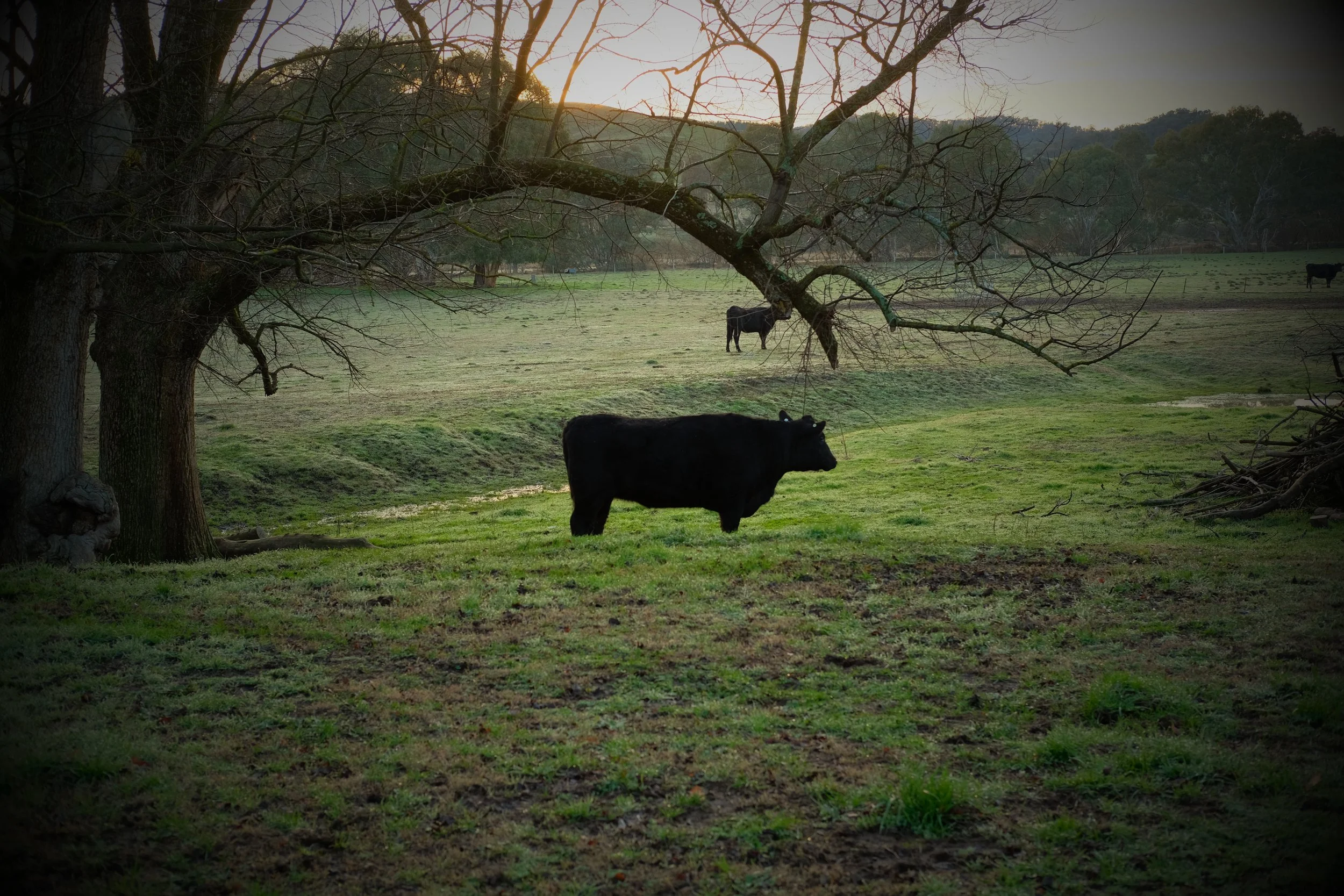
“The plot keeps calling me. I love the feeling of being beneath the laneway pine trees, with an inner excitement to create in new ways.”
Sara Victoria
In Conversation With is an ongoing journal series exploring rhythm, place and contemporary creative practice.